
Understanding Cholesterol: The Pros, Cons, and Essential Management Strategies
HEALTH
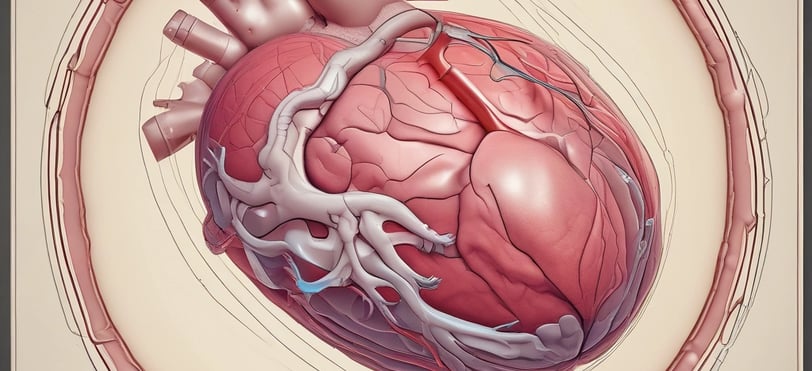

The Importance of Cholesterol
Cholesterol, a waxy substance found in your blood, is critical for the formation of cells and the synthesis of hormones. It is produced by the liver and also obtained from certain foods. While cholesterol is necessary for health, imbalance can lead to significant health risks.
Pros and Cons of Cholesterol
Cholesterol plays a dual role in our bodies. On one hand, it is essential for the production of vitamin D, certain hormones, and bile acids that help digest fat. On the other hand, elevated levels of cholesterol in the bloodstream can contribute to the development of atherosclerosis, a condition characterized by the hardening and narrowing of the arteries. This can ultimately lead to heart disease, heart attacks, and strokes. Thus, maintaining a balance is crucial.
Causes and Consequences of High Cholesterol
Several factors contribute to high cholesterol levels, including poor diet, lack of physical activity, obesity, smoking, and genetic predisposition. Foods high in saturated fats, trans fats, and cholesterol are particularly harmful and can elevate blood cholesterol levels. Understanding the causes of high cholesterol is vital, as it aids in developing effective management strategies that can lead to improved health outcomes.
Why Lowering Cholesterol is Crucial
Managing cholesterol effectively is essential for cardiovascular health. High cholesterol levels can lead to plaque buildup in the arteries, increasing the risk of heart-related diseases. Therefore, lowering cholesterol levels is a proactive approach to reduce these risks, enhance longevity, and improve quality of life.
Strategies for Correcting High Cholesterol
Addressing high cholesterol generally involves lifestyle modifications and, in some cases, medication. Here are effective ways to manage cholesterol levels:
Adopt a Heart-Healthy Diet: Emphasize fruits, vegetables, whole grains, and lean proteins while minimizing the intake of saturated and trans fats.
Engage in Regular Physical Activity: Aim for at least 150 minutes of moderate aerobic exercise weekly, such as brisk walking or cycling, to help boost HDL (good) cholesterol levels.
Maintain a Healthy Weight: Losing excess weight can help lower LDL (bad) cholesterol levels and improve overall heart health.
Quit Smoking: If you smoke, consider seeking support to quit, as stopping smoking can improve HDL cholesterol levels.
Consider Medication: In some cases, healthcare providers may recommend statins or other medications to help control cholesterol levels if lifestyle modifications alone are insufficient.
Conclusion
In conclusion, cholesterol is an essential component of human health that poses risks when imbalanced. Understanding the pros and cons of cholesterol, and its causes, and implementing effective strategies to lower it are vital steps toward achieving a healthier life. Simple lifestyle changes can lead to significant improvements in cholesterol levels, fostering long-term wellness and reducing the risk of heart disease.